Finding a Trusted Editor
I realized I was hitting a point of diminishing returns with my personal drafting and editing process and wanted help from an outside professional. Although I had initially decided to try getting an agent and traditionally publish, I knew an editor could help me prepare for it while readying my manuscript in the event I ultimately self-published.
My partner connected me with his friend Steph Kantorski, an experienced book editor and communications consultant who had a personal interest in crime and mystery stories. Steph and I had several conversations about my goals and the different kinds of editing a book can undergo, such as line editing, editing for sonority, and structural editing. I chose line editing with a focus on sonority to help with the sound of the words and sentences, and was thrilled with the results.
We went through several rounds of edits, and Steph even helped me craft my query letter for prospective agents, as well as the other elements of the final product such as the acknowledgements page, the copyright page, and the blurb for the back of the book. I asked Steph for her thoughts for writers who are considering edits for their book. Here were her thoughts:
A good book editor is like the ideal ballroom dance partner: They learn your rhythm, follow your lead, and pick up on subtle cues to match your every move. Most importantly, they try never to step on your toes!
You want an editor who fully embraces your unique style, yet is annoyingly persnickety. They should have a deep technical knowledge of language and be able (and willing) to explain every edit—yet never get offended if you turn down a suggestion. Their ultimate goal should be to make your work look and sound its absolute best in your image, not theirs. Make sure they have experience handling large documents, are super organized, ask questions and give you regular updates. You’d be surprised how much havoc two people can wreak when they begin trading edits, comments and revisions in a 85,725-word document.
Words to the wise: Software, LLMs and AI bots are incapable of grasping context, culture, meaning and emotion. They’re not even that great at grammar and syntax, for that matter, especially when you’ve honed a singular style. Even if you’ve written a book without AI, only a human editor can truly ensure it resonates with other humans.
Depending on what you think your book needs, choose (or mix and match) an editing tier from these four generally accepted industry standards:
Developmental Editing: Structure
Story arc, plot and characters: This is the heaviest lifting for an editor, but remember: They are not your co-author, and the final choice is yours. A developmental edit is basically an existential inspection of your manuscript.
Line Editing: Style
Register, sonority and sentence structure: This is mostly about overall continuity and how sentences and words sound in the reader’s head. As an (exaggerated) example, if one of your characters suddenly switches from an upper-crust affect to cursing like a drunken sailor, your editor should whip out a red flag.
Copy Editing: Consistency
Grammar, formatting and fact-checking: Get it right, every time. This is about writing your protagonist’s company name on page 356 exactly how it was written on page 45. Much more than cosmetic and technical, it shows you care enough to create a cohesive whole that respects the reader’s sensitivities and sensibilities.
Proofreading: Final Check
Dot all the i’s and cross all the t’s: Proofing is about catching every last typo, not just yours but any errors that may have been introduced during the editing process. While a publishing house usually does this print-ready step in-house, it’s essential to have it done professionally before self-publishing.
Finding a Trusted Illustrator
My friend Ren is an illustrator who has worked on several personal projects for me, including an illustration of my husband and I as groundhogs to commemorate our Groundhog Day wedding. So I knew Ren had the skills and patience to work with me. To help them get started with clear expectations, I wrote a multi-page request for proposal that included examples of book covers I thought were compelling, a summary of the story that highlighted key symbols, and the text I wanted to be featured.
The RFP also included my intentions to use the resulting graphic in merchandising and advertising.
I broke the RFP into two separate deliverables: Front Cover, and Spine and Rear Cover. Since I was planning to seek the representation of an agent, I thought a front cover design would help my pitch. If I ultimately decided to independently publish, then we would proceed with the design of the spine (which would ultimately be determined by the page count) and the back cover.
Here is what my initial RFP looked like:
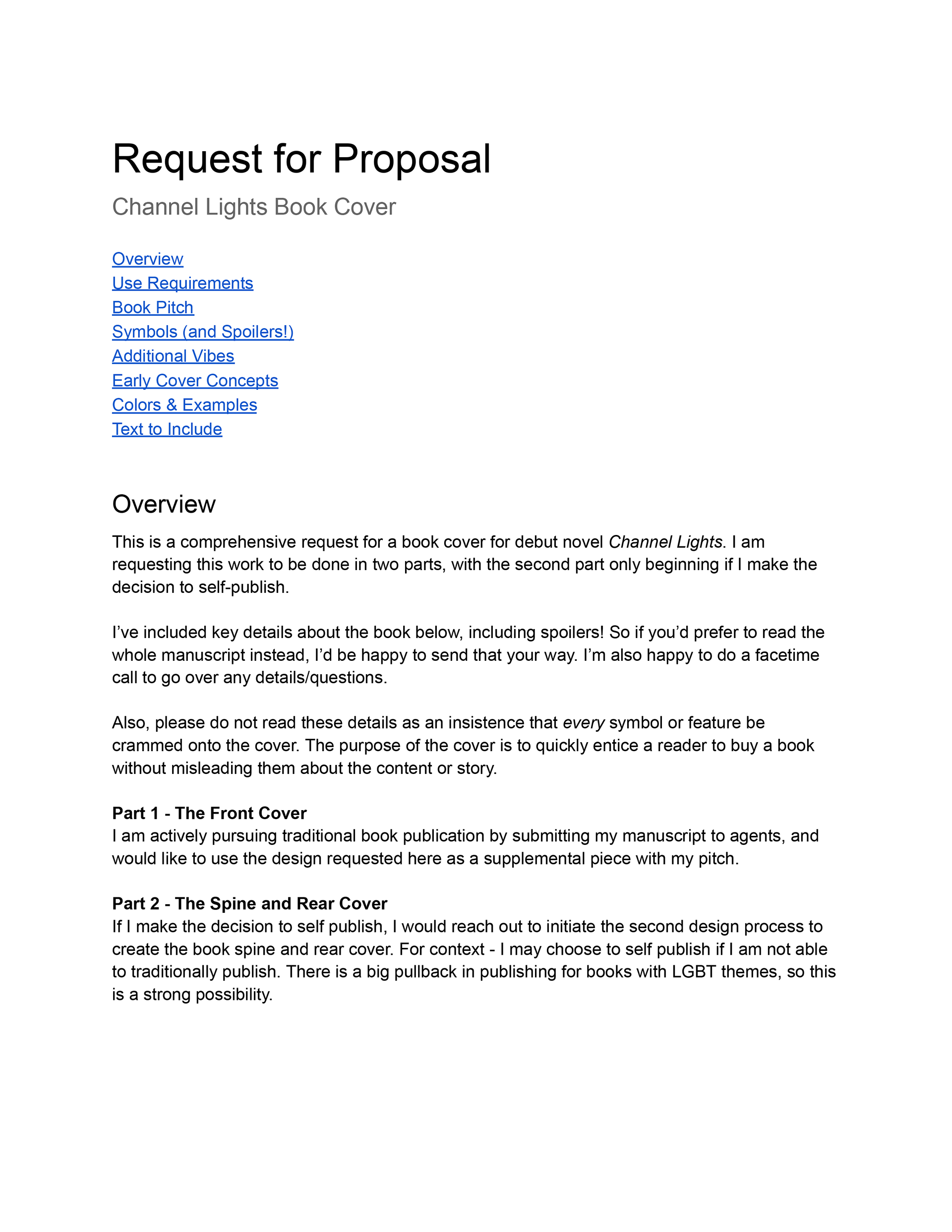
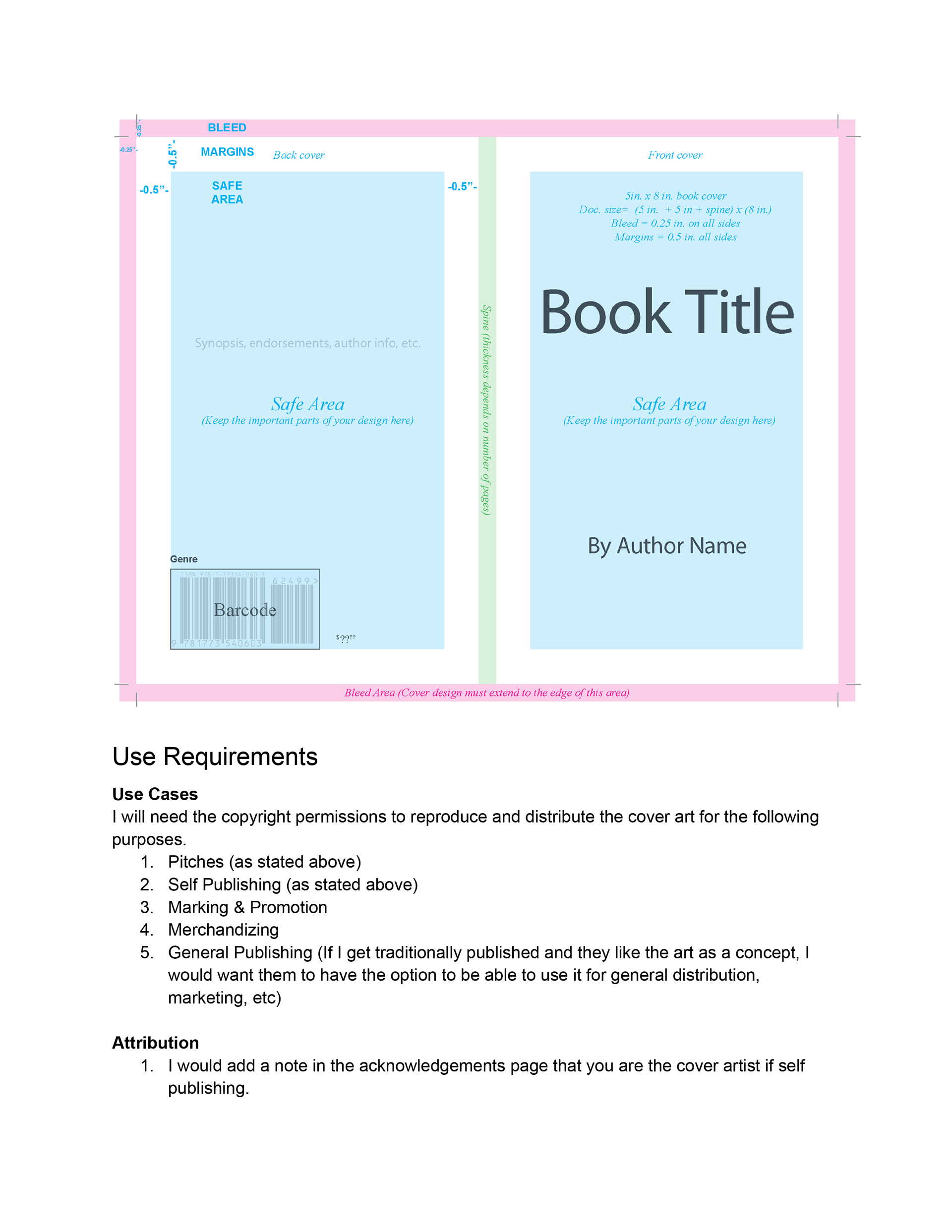
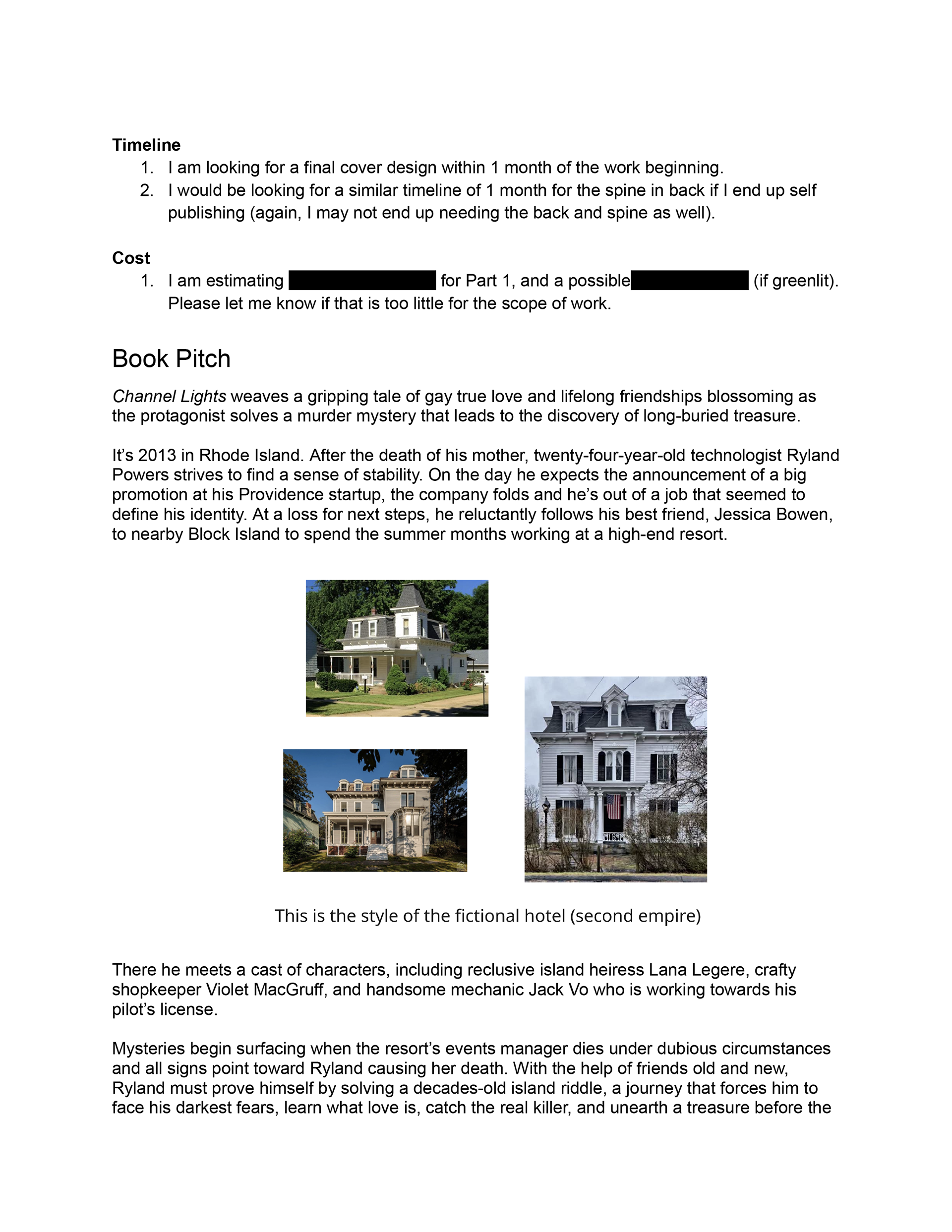
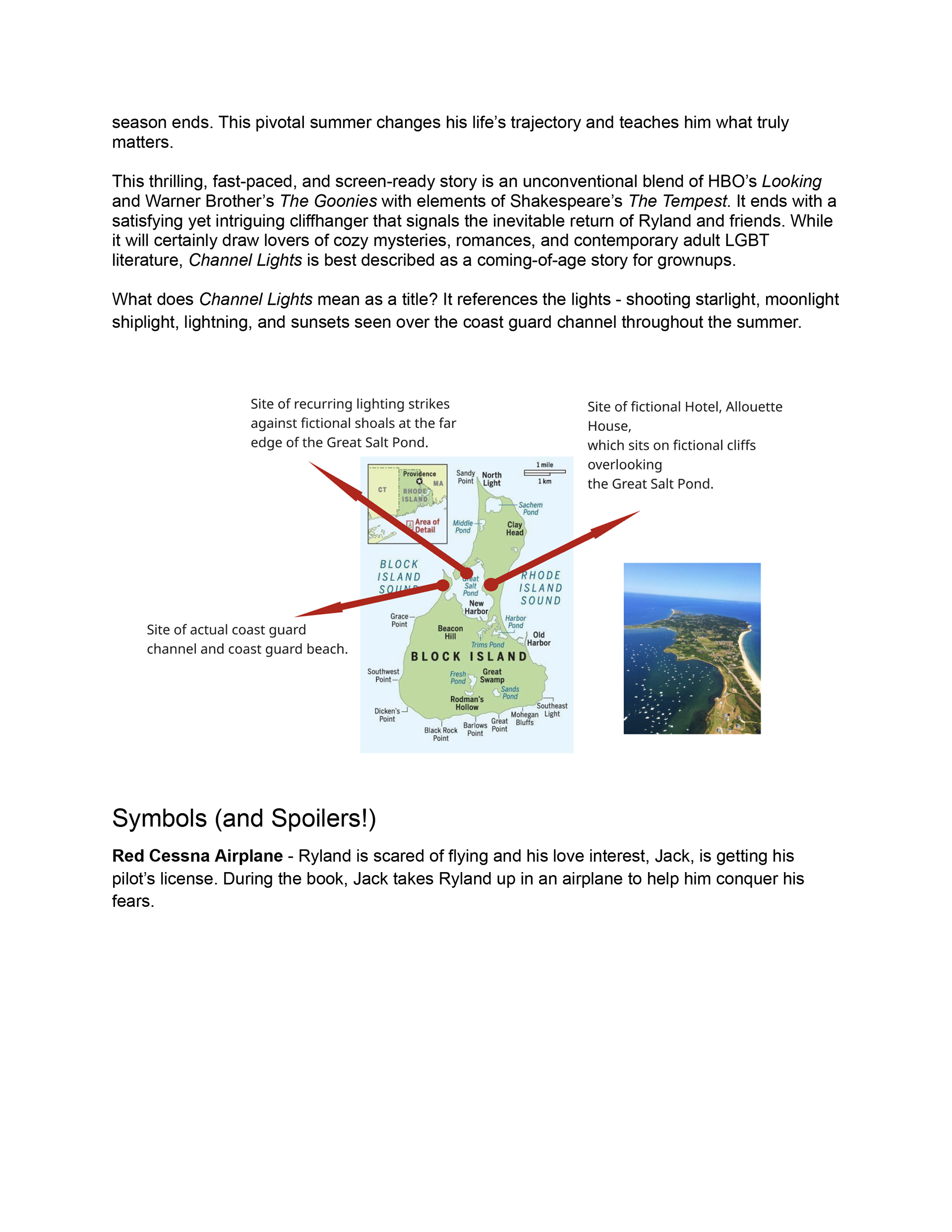
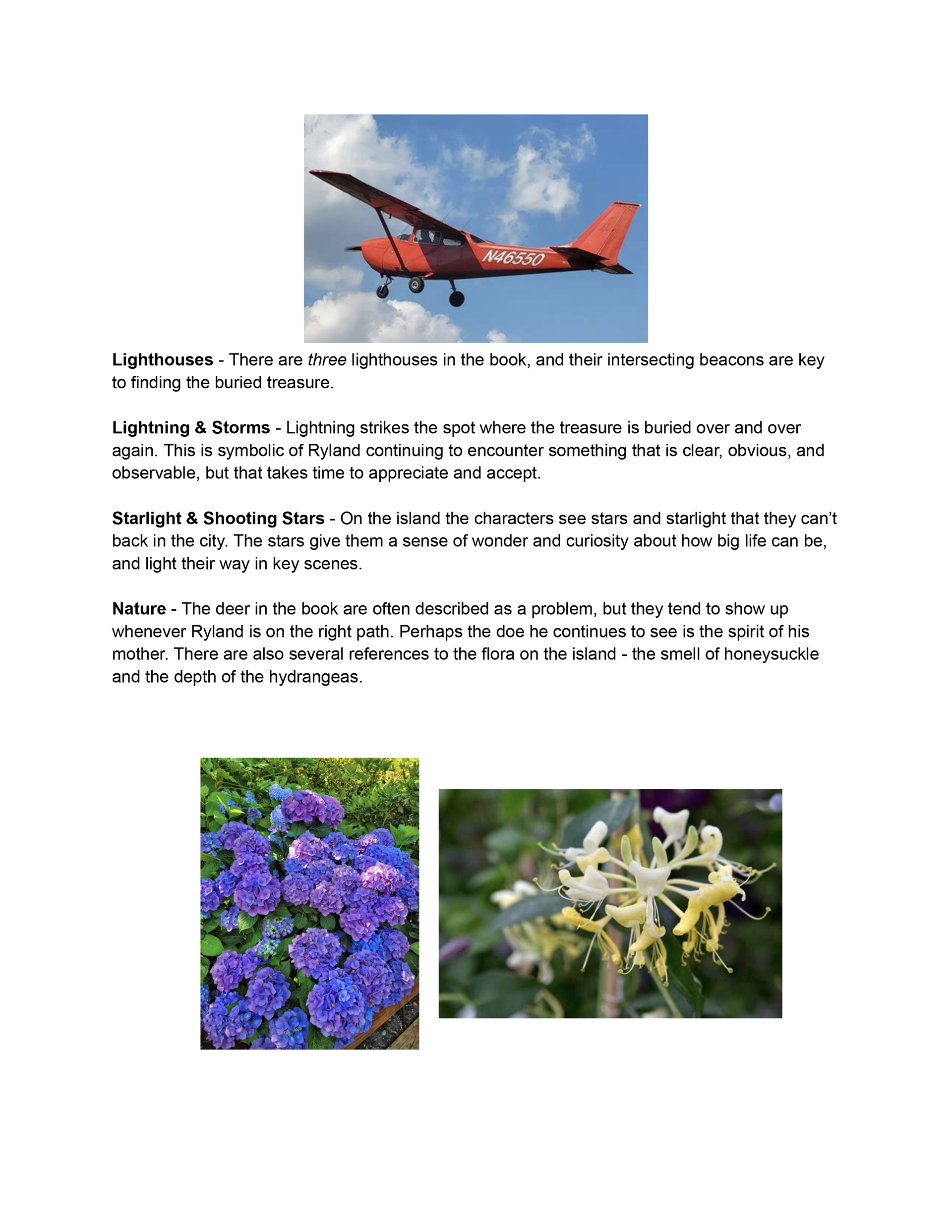
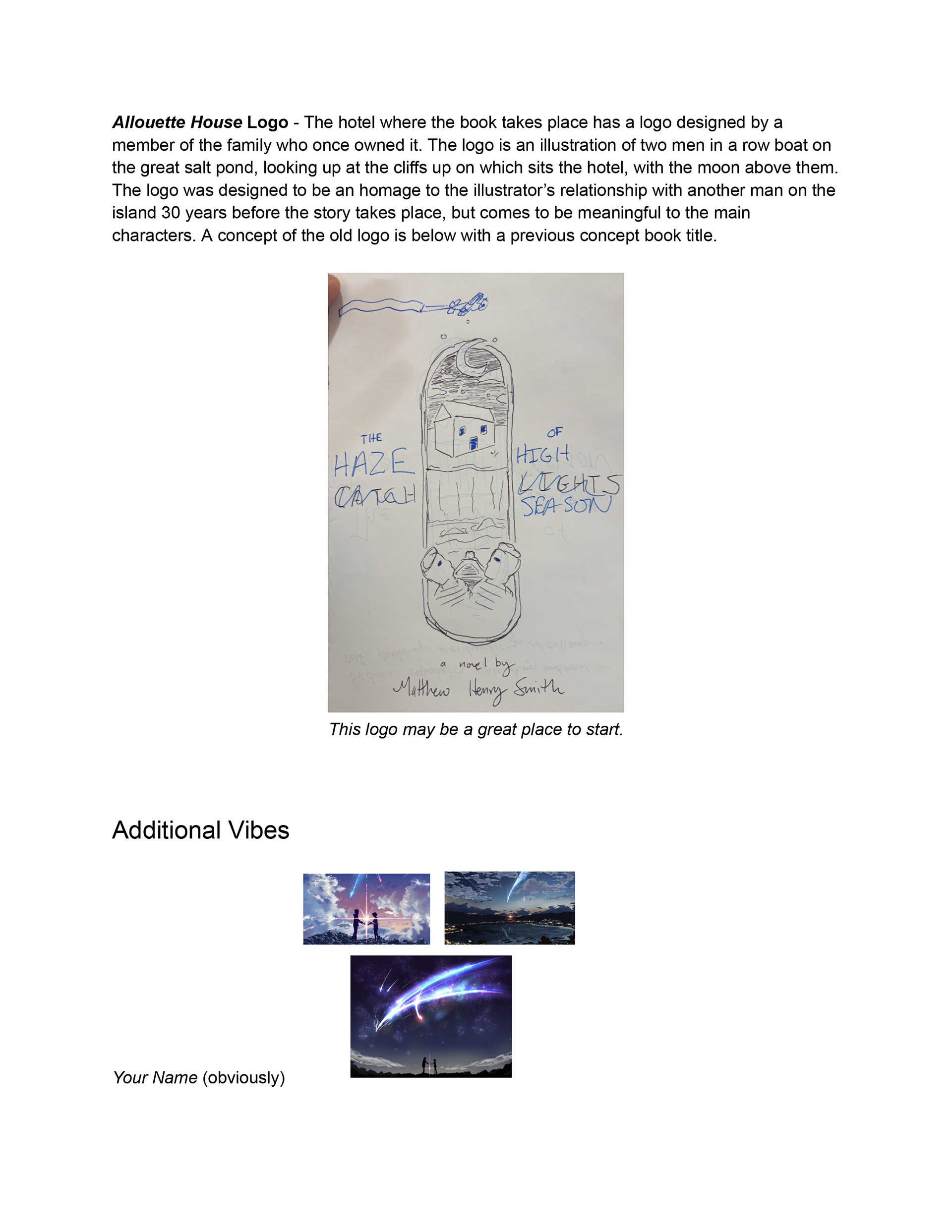
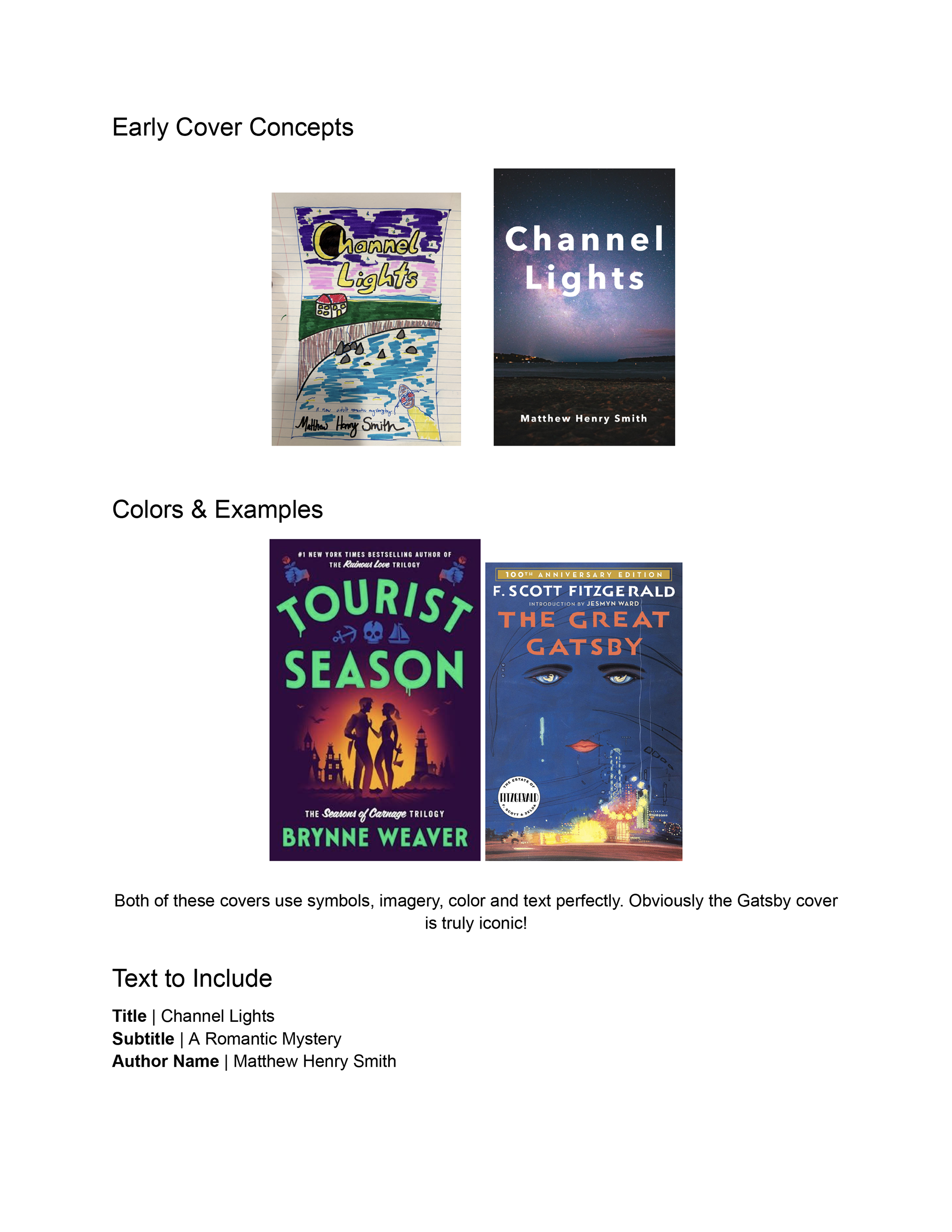
The process went amazingly well. Ren showed me iterative improvements to the designs week after week, seeking guidance on areas of improvement. Each time I was fairly sure we were basically done, but Ren is a true professional who insisted certain aspects needed additional refinement.
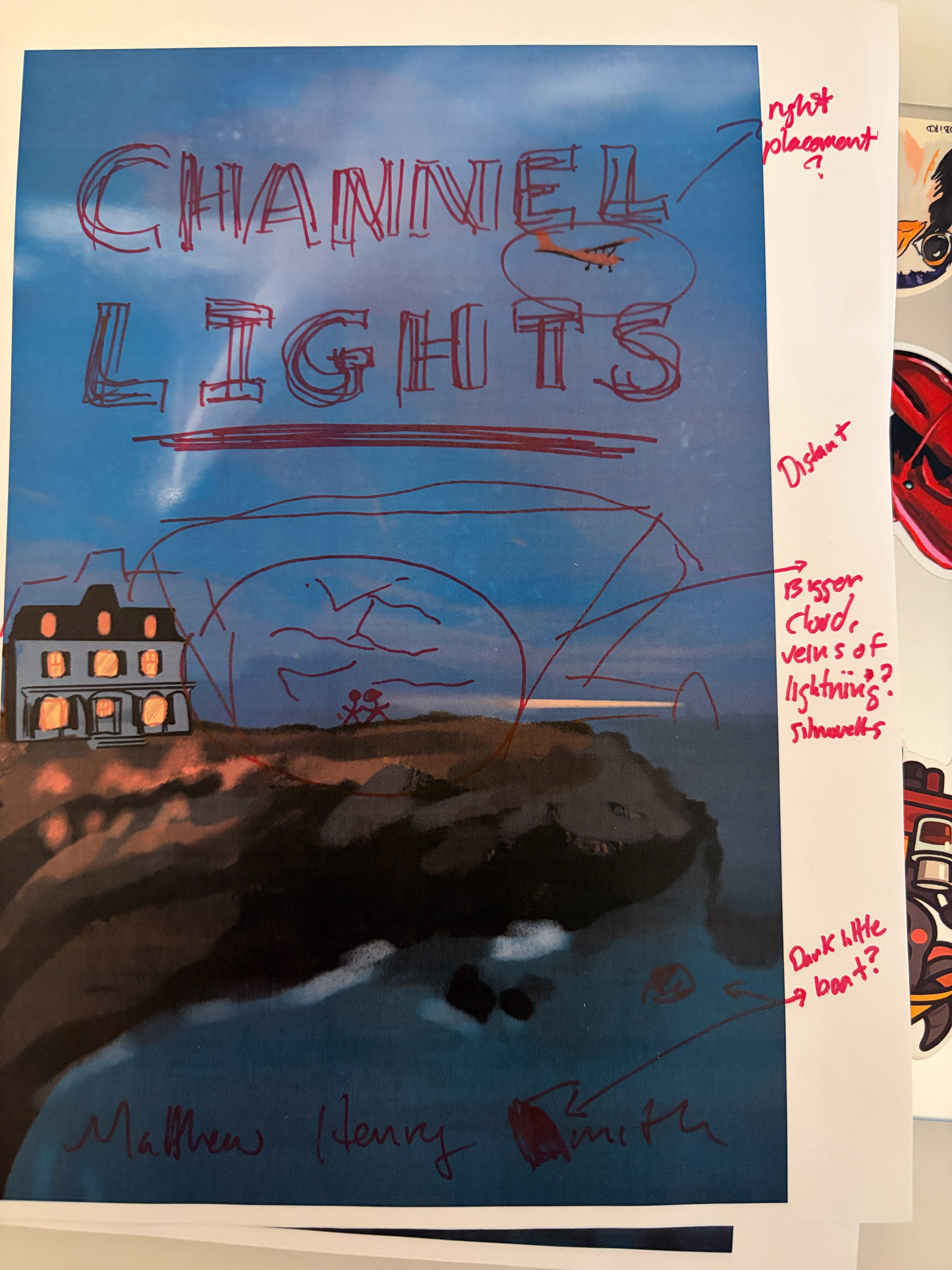
Some of my notes back to Ren on an early design draft.
I couldn’t be happier with the process or results, and asked Ren for their thoughts on what could help a prospective writer looking to work with an illustrator. Here are their notes:
First and foremost, don’t skimp on the cover! Your cover design is the main reason a reader will pick up your book, so carefully consider who you hire.
Do not use AI! Your book is your pride and joy and should budget for hiring even a starving college artist! Follow artists on social media, don’t be shy to ask their commission rates.
Good work costs good money; make sure you hire someone who maps out deadlines, expectations, edit costs, etc. Have some kind of written contract/agreement to protect both author and artist. Map out references with your artist: if you can provide mock-ups, images, Pinterest boards, or anything of the like, that will help your artist see your vision and cut down on the amount of edits or back-and-forth that can occur.
Lastly, have fun collaborating with someone who is just as excited about your book as you. A cover illustration is a great reference for portfolios and future jobs for an artist. Your designer/artist wants to help make something people want to pick up and enjoy!
This guide is not provided as legal guidance or financial advice.